
Open call
Residency
UNamur Astronomical Observatory
2026
This residency is open to artists working in the field of digital arts, art & science, and art & technology.
Timeline
Residency period: May 27 – June 24, 2026
Application deadline: March 1, 11:59 PM (CET)
📩 Application form
General Overview
Since 2021, The KIKK in collaboration with the UNamur (University of Namur) Astronomical Observatory and the Delta, the cultural space of the Province of Namur has launched an arts, sciences & technologies residency program around astronomy.
In 2026, the Astronomy Residency will welcome two artists:
one international artist;
one artist from the Wallonia-Brussels Federation (resident in Wallonia or Brussels).
This program is based on the collaboration of five key partners:
KIKK: coordination and curatorial support;
The University of Namur: access to the Antoine Thomas Astronomical Observatory and its scientific community;
Le Delta: acces to residency spaces;
Le Trakk: access to the ProtoLab & MediaLab;
Le Pavillon: exhibition space dedicated to digital cultures.

The Delta rooftop - picture by architectura.be
Residency : Astronomy
The residency invites artists to explore the cosmos through the lens of art, science, and technology. Hosted at the Antoine Thomas Astronomical Observatory of the University of Namur, the program provides a unique setting where scientific exploration meets artistic imagination.
Observing the Universe: Science & Exploration
The observatory, equipped with four telescopes—including Wallonia’s only high-definition solar telescope—enables the observation of celestial bodies, from the Sun-Earth-Moon system to distant galaxies. By filtering light pollution, it allows a deeper engagement with astronomical phenomena, revealing the hidden layers of the universe beyond human perception.
Artistic Research & Creation
The residency encourages artists to reinterpret scientific data and explore cosmic themes such as:
Exoplanets, black holes, and gravity
Space debris and the movement of celestial bodies
Time, light, and space on a cosmic scale
By using AI, expanded light spectrum analysis, sound, and data-driven visuals, artists can transform astronomical observations into immersive visuals, sculptures, or sonic experiences. How might we rethink our relationship to the cosmos through artistic creation?
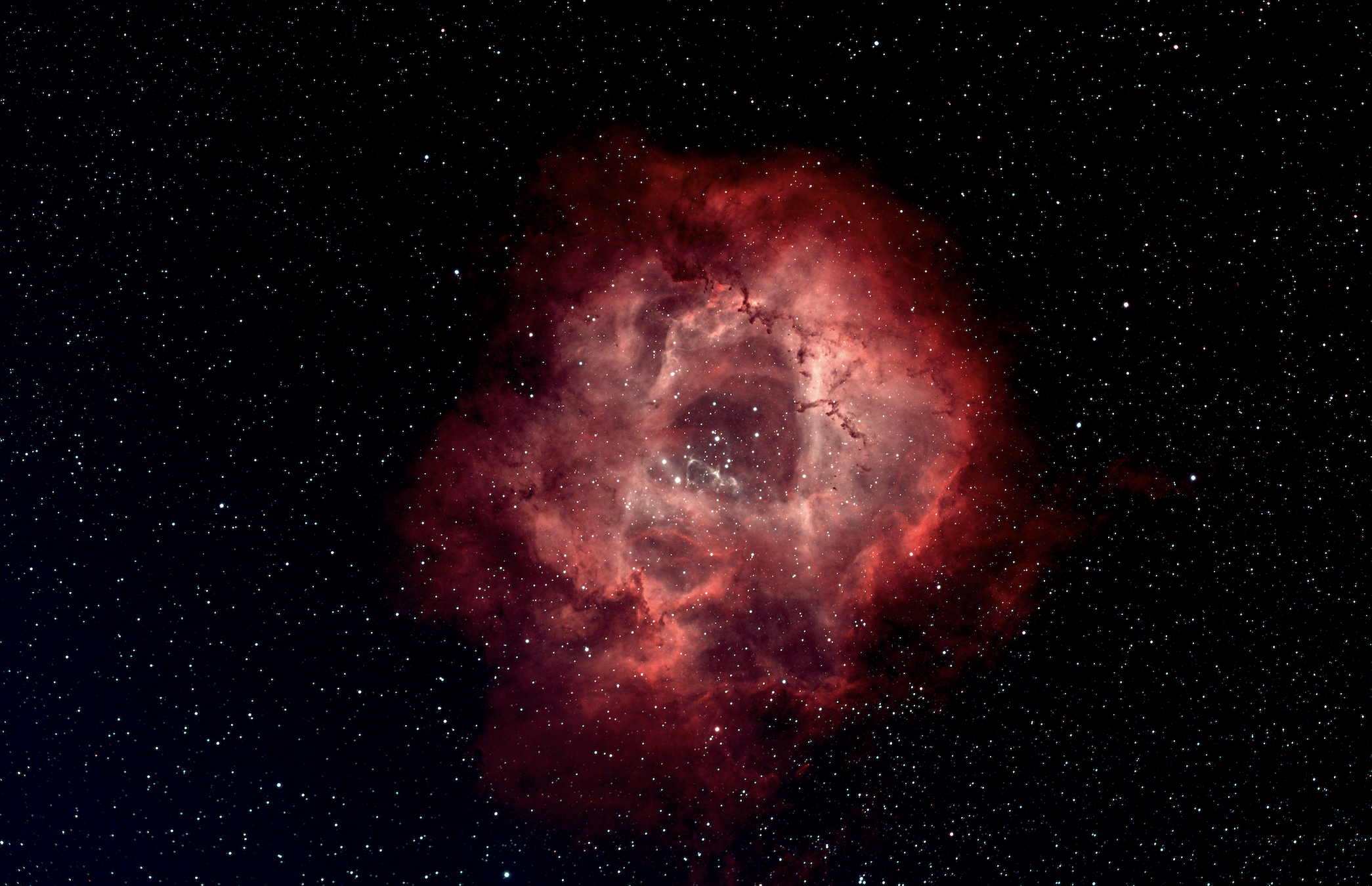
© Andre Fuzfa - Observatory Antoine Thomas - University of Namur-Belgium
Collaboration & Knowledge Sharing
Artists will engage in dialogue with astrophysicists and researchers from the observatory and the wider scientific community. This exchange fosters a space where scientific precision meets artistic experimentation, enabling new ways to visualize and question the universe.
Proposed projects must fall within the field of digital arts and may explore (non-exhaustive list):
Generative art and AI-based practices;
Sound art;
Biotechnologies, bioart, and living systems practices;
Interactive and immersive installations;
Light installations;
Digital fabrication;
Algorithmic, robotic, and kinetic art;
XR projects (VR, AR, MR);
Video art and photography incorporating digital techniques;
Other related practices.

Antoine Thomas s.j. Astronomy Observatory at UNamur
Residency duration
May 27 – June 24, 2026
Residency Location
Artists will be hosted in two independent studios at Le Delta, Namur, each including a kitchenette, workspace, bedroom, bathroom, and internet connection.
Grant & Support
As part of the program, artists will receive:
Curatorial guidance and support from the KIKK team;
Fully equipped accommodation at Le Delta (bathroom, kitchenette, workspace, bedroom, and internet connection);
A €5,000 grant for project development, covering travel to and from the residency, production and material costs, meals, and all other expenses related to the residency period.
At Le Trakk, artists will have autonomous access (subject to availability) to various facilities:
- ProtoLab: 3D printers, laser cutter, CNC milling machine, vinyl cutter, and other fabrication tools;
- MediaLab: recording studio, binaural microphone, motion capture suit, VR headset, and computers optimized for game engines.
Finally, with the approval of the KIKK curatorial team, projects may be presented to the public during an edition of the KIKK Festival or at Le Pavillon.

The residency accommodation on the Delta rooftop
Conditions & Commitments
Residents commit to:
Developing their artistic research project during the residency period;
Participating in an end-of-residency public presentation (open format: discussion, presentation, small workshop, etc.) at Le Delta, to share their process and research with the public.
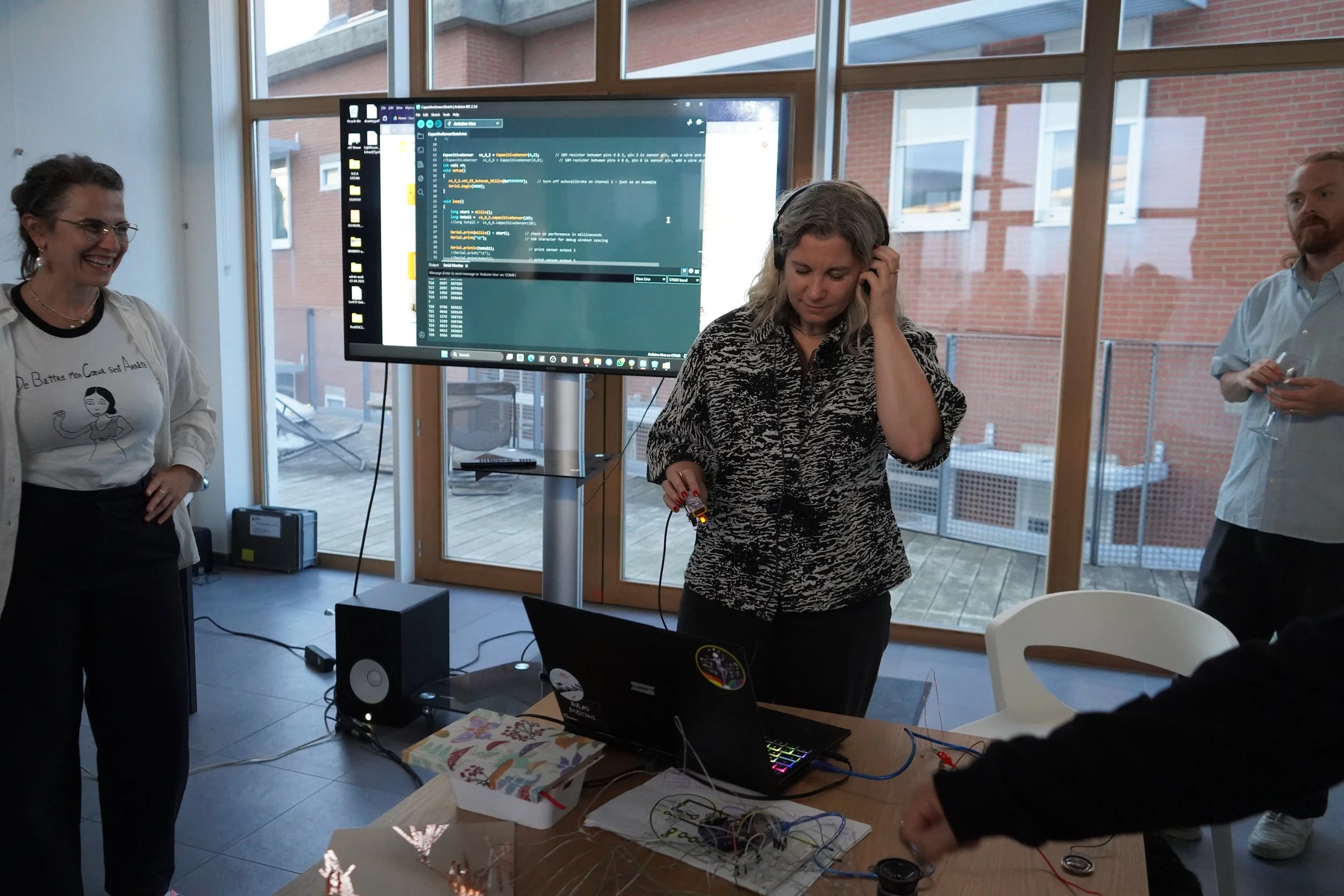
Open studio Residency Astronomy 2025 : presentation of the work of Pepa Ivanova & Evan Roth at Le Delta
APPLICATIONS
Applications must be submitted via the dedicated online application form.
Deadline: March 1, 2026, at 11:59 PM (CET / UTC+1)
Applications may be submitted in French or English.
Before completing the online form, please ensure you have gathered the following documents:
A presentation of your artistic practice (150–250 words);
A description of the proposed project to be developed during the residency in Namur, including working or research processes, themes, visuals, technical drawings, etc. (PDF – max. 3 pages);
A provisional budget: a detailed table showing how the €5,000 grant will be allocated;
A CV (PDF – max. 4 pages);
A portfolio presenting past projects (PDF – max. 15 pages).
Any incomplete or non-compliant application will be considered inadmissible.
FAQ
Which artistic practices are eligible?
Projects must be in the field of new media arts at the intersection of arts, science, and technology. Music, theatre, dance, and other live art forms are not eligible.
Is the residency open to duos/collectives?
Duos/collectives can apply. The €5,000 grant per project must cover all residency-related expenses, including travel to Namur, production and materials, meals, and other costs. And please note that the residency studio/apartment includes one bedroom with a double bed only.
What project development stages are accepted?
Projects may be:
In development and requiring financial support to be completed;
Existing projects, provided that an additional budget is justified to enhance or extend their scope. In this case, an explanatory note must clarify the impact of the additional funding.
Is there an age limit for the residency?
No. There is no age limit. Applicants must be able to communicate in English or French.
Contact
For any questions regarding the open call, please contact:
Marie de Ganay
Exhibitions & Artistic Projects Manager
Chargée d'expositions et projets artistiques
KIKK · Le Pavillon
marie.dg@kikk.be

